After sunset in Columbus, Ramadan reshapes nightly routines with prayer, food, study and community gatherings
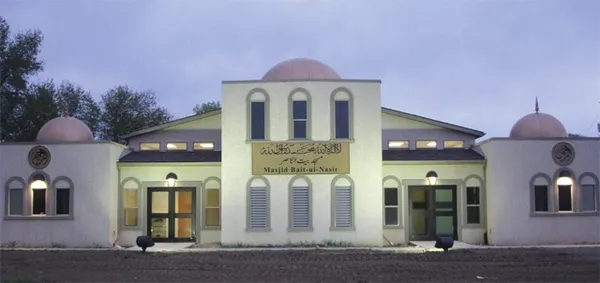
Nighttime becomes the center of daily life during Ramadan
In Columbus, Ramadan shifts the rhythm of the day for many Muslim residents: daytime fasting gives way to busy nights marked by meals, prayer and community events that often run late and begin again before dawn. Observant Muslims refrain from food and drink from sunrise to sunset, then gather for iftar—the meal that breaks the fast—before evening worship and social time that can extend past midnight.
Because Ramadan follows the lunar calendar, its dates move each year and are confirmed locally based on the new moon. That variability shapes planning for families, students, employers and event organizers across central Ohio. In practice, many households build evenings around iftar, followed by nightly prayers known as taraweeh, while also making time for homework, work shifts and family responsibilities.
From mosques to campuses, communal iftars anchor the month
Columbus-area mosques and community institutions typically increase programming during Ramadan, adding nightly prayer services and offering shared meals that bring together worshippers, volunteers and guests. Beyond religious spaces, Ramadan programming has also become more visible on campuses and in civic settings, reflecting the region’s diverse Muslim communities and the broadening public footprint of interfaith and cultural events.
At Ohio State, Ramadan-related gatherings have included opportunities for students to break the fast together and attend prayers in shared campus spaces. Such events can be especially important for students living away from family, offering a consistent place to eat, pray and connect socially in the evenings.
Markets, dinners and interfaith events expand what “Ramadan nights” can look like
Alongside worship and family routines, Columbus has also seen Ramadan nighttime events that highlight food, small businesses and cultural exchange. Ticketed community nights and market-style gatherings have been organized during March, creating late-evening spaces where vendors sell desserts and prepared foods, families shop after breaking the fast, and visitors learn about Ramadan in an informal setting.
Interfaith iftars—community dinners where people of different religious backgrounds attend together—have become a recurring feature in parts of central Ohio, aiming to pair a shared meal with structured conversation and introductions to basic Ramadan practices.
- Iftar meals at sunset that bring together families, students and community groups
- Evening and late-night prayers, including taraweeh, held nightly during Ramadan
- Educational and interfaith programming designed for Muslim and non-Muslim attendees
- Night markets and community gatherings where food and local commerce are part of the experience
The last ten nights bring added worship and late hours
For many Muslims, the final stretch of Ramadan intensifies. Additional late-night prayers and extended services are common, as worshippers seek the spiritually significant nights near the end of the month. For some, that means sleeping in shorter segments—resting after late prayers and waking again before dawn for suhoor, the pre-fast meal, and the first prayer of the day.
In Columbus, Ramadan nights often combine worship, shared meals and community events—then begin again before sunrise.
A month that reorganizes daily life across the city
Across Columbus, Ramadan nights reflect both continuity and adaptation: long-standing religious practices centered on fasting and prayer, and local routines shaped by school calendars, work schedules and community-building events. The result is a month where, after daylight ends, many households and institutions shift into a second daily cycle—one defined by gathering, service and worship.