Central Ohio schools delay or cancel classes Tuesday, January 20, 2026, amid extreme cold conditions
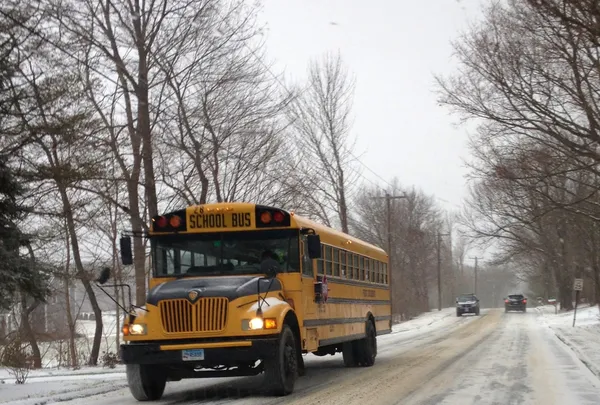
Extreme cold disrupts school operations across Central Ohio
A stretch of bitter winter weather prompted a series of class cancellations and delayed starts across Central Ohio on Tuesday, January 20, 2026, as administrators weighed student transportation, outdoor exposure risks, and building operations during sub-zero wind chills.
In Columbus, the day’s disruptions unfolded against a backdrop of lingering cold following the Martin Luther King Jr. Day holiday. Forecasts for the Columbus area called for mostly sunny skies but very cold conditions through the morning, with temperatures remaining well below freezing and wind chills dipping below zero.
Closures and delays reported in multiple counties
By late Monday, January 19, multiple districts and schools in Franklin and surrounding counties had announced either full-day closures or delayed starts for Tuesday. The measures affected districts serving urban, suburban, and rural communities, as well as career centers and specialized schools.
- Closed: Berne Union Schools; Buckeye Valley Schools; Delaware City Schools; Northridge Local Schools; Southwest Licking Schools.
- Closed: Career and Technology Education Centers of Licking County; Delaware Area Career Center; The Charles School at Ohio Dominican University.
- Closed: A+ Children’s Academy; Columbus Bilingual Academy North; Columbus Bilingual West; Cornerstone Academy; Eagle Wings Academy; South Columbus Preparatory Academy (including the German Village campus); St. Francis de Sales Elementary; The Learning Spectrum (Johnstown).
- Delayed start: Bloom-Carroll Local School District (two-hour delay); Fairbanks Local School District (two-hour delay); North Union School District (two-hour delay).
Columbus City Schools schedule differed from weather-driven decisions
Columbus City Schools was already scheduled to be closed to students on January 20 due to a professional development day for staff, meaning the district’s student-facing closure was not the result of the cold-weather decisions taken elsewhere in the region.
How districts decide: transportation, exposure risk, and staffing
School delays and closures during extreme cold are typically driven by a combination of factors: the safety of bus stops and routes, the amount of time students may wait outdoors, the ability of buildings to maintain safe temperatures, and staff travel conditions. In cold snaps where wind chills fall well below zero, districts often prioritize limiting outdoor exposure, particularly for younger students and those with longer commutes.
Families are advised to confirm their local school’s operating status directly through district communications, as schedules can change overnight when conditions evolve.
What to watch next
The region’s cold spell was expected to ease later in the week, with temperatures forecast to climb gradually after Tuesday. Even as daytime highs rise, districts and families often continue to monitor wind chill and early-morning conditions, when the risk to students is typically highest.