Columbus-area gas prices climb rapidly as Ohio nears $3.50 average, raising $4 concerns
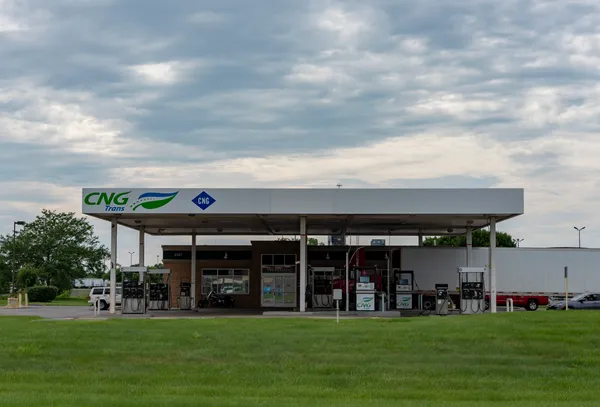
Central Ohio drivers face a sharp run-up at the pump
Gasoline prices in central Ohio have climbed quickly in March, tracking a broader statewide surge that has pushed Ohio’s average price into the mid-$3 range. The speed of the increase has renewed questions about whether the Columbus region could approach $4 per gallon if current market pressures persist.
By March 9, 2026, the statewide average for regular gasoline in Ohio reached about $3.43 per gallon, representing an increase of roughly 65 cents in a week. Over the past year, Ohio prices also swung widely, with recent low points near $2.53 in late December 2025 and a high around $3.46 in early March 2026.
What is driving the increase
The surge is closely tied to higher crude oil prices and market uncertainty linked to escalating geopolitical tensions in the Middle East. Oil prices moved above $100 per barrel in early March for the first time since 2022, a level that typically raises wholesale fuel costs and filters into retail prices as stations replenish inventories.
Retail prices can adjust rapidly because many stations price fuel based on expected replacement costs for upcoming deliveries rather than the price paid for fuel already in underground tanks. That dynamic can amplify short-term spikes when wholesale markets jump.
Is $4 per gallon likely in central Ohio
Reaching $4 per gallon in the Columbus area would generally require either sustained increases in crude oil and wholesale gasoline, additional supply disruptions, or a combination of seasonal demand and tight refining capacity. As of mid-March, Ohio remained below the highest-priced states, while the national picture showed wide variation, with some states already well above $4 on average.
Forecasting a specific local threshold is difficult because the Columbus market can diverge from statewide averages due to distribution costs, local competition, and timing of station replenishment. Even so, the recent weekly increase demonstrates that price moves of several dozen cents can occur within days during volatile periods.
What drivers can do in the near term
- Compare prices within a small radius; neighborhood-to-neighborhood differences can be meaningful during fast-moving spikes.
- Watch for weekday swings, as some stations adjust earlier than others when wholesale prices change.
- Plan refueling around commuting needs to avoid buying at peak-priced locations near major interchanges.
Price volatility at the pump often reflects wholesale market moves first, then spreads unevenly across metro areas as stations cycle through new deliveries.
For central Ohio motorists, the immediate story is less about a single number and more about the pace of change: when oil markets surge, retail gasoline can follow quickly, and local prices can rise in steps as new supply replaces older, cheaper inventory.