Columbus City Council moves toward ordinances limiting city cooperation and access for ICE operations
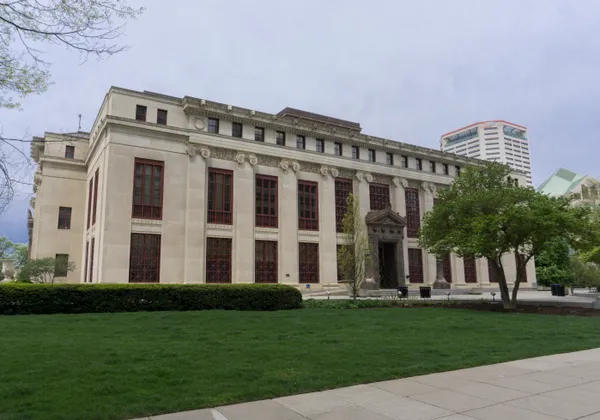
Proposed changes target city resources, law-enforcement coordination, and use of municipal property
Columbus City Council is preparing a package of proposed city-code changes intended to narrow how municipal agencies interact with U.S. Immigration and Customs Enforcement (ICE) and how federal immigration agents can operate on city-controlled property. The proposals were discussed publicly in a council committee setting on February 18, 2026, with council action expected as early as the next regular meeting cycle.
The effort follows heightened local attention to federal immigration enforcement activity in central Ohio since late 2025, including a surge of arrests that community advocates and local officials have linked to an ICE enforcement operation commonly referenced as “Operation Buckeye.”
What the ordinances are designed to do
Based on details presented in recent council discussions, the draft measures would formalize and expand limits around municipal involvement in civil immigration enforcement, while also addressing the circumstances in which federal agents can use city facilities, information systems, or other city resources.
- Limiting or prohibiting city law-enforcement participation in civil immigration enforcement activities, including holds or actions based solely on administrative detainer requests.
- Restricting how city property can be used by federal immigration agents, including rules governing access and activity in municipal spaces.
- Setting standards tied to identification and conduct, including calls for clear display of name and badge information and restrictions on face coverings in certain contexts.
- Policy changes aimed at curbing information-sharing pathways between city systems and federal immigration enforcement, with exceptions where cooperation is required by law.
- Measures addressing sensitive locations, including schools and child-care settings, through proposed penalties related to harassment or obstruction.
Context: existing city policy and rising community concern
Columbus leaders have pointed to a city policy framework dating to 2017 that limits the use of municipal police resources for federal civil immigration enforcement. In late 2025, city officials publicly reiterated that Columbus police do not operate as an arm of federal immigration enforcement and that routine policing is not to include immigration-status checks.
At the same time, city leaders and community groups have described rising fear among immigrant residents, including concerns tied to reports of agents operating without local coordination and uncertainty among residents about how to distinguish federal agents from local officials.
Detention patterns and the local policy debate
Advocates who analyzed Ohio detention data have said thousands of people were detained statewide between the beginning of the current presidential term and mid-October 2025, with a relatively small portion involving violent criminal offenses. Council members supporting the proposed ordinances have argued that public safety is undermined when residents avoid routine activities—such as going to work, school, or court—out of fear that contact with government systems could lead to immigration enforcement.
Supporters say the core question is how Columbus uses local resources: to provide services to residents or to facilitate federal immigration enforcement actions that are outside the city’s direct control.
What happens next
Council members have indicated that some elements of the package could advance to a vote first, with additional changes considered later. The practical impact—if enacted—would depend on final legislative language, how it is implemented across city departments, and how it intersects with federal authority and any state-level efforts that seek to mandate local cooperation with ICE.
For residents, the immediate takeaway is that Columbus’ policy debate is shifting from executive guidance and departmental practice toward codified rules in city law, potentially setting clearer boundaries on when and how city agencies can assist or accommodate federal immigration enforcement activity.