Columbus faces around 50 water line breaks as freezing weather turns streets into hazardous ice sheets
Breaks surge during prolonged cold, disrupting traffic and creating localized outages
Columbus water crews are responding to a surge of water line breaks as freezing temperatures and recent heavy snowfall strain underground infrastructure, turning streets into ice-covered hazards and prompting residents to report new leaks citywide. City officials said they were managing roughly 50 active leaks on main water lines as the cold spell continued through late January 2026.
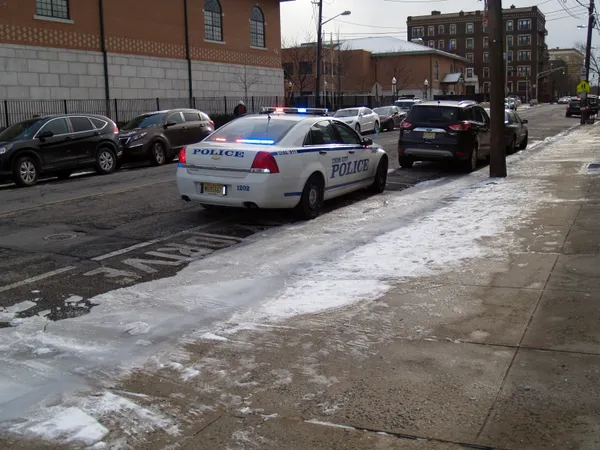
In several neighborhoods, ruptured lines sent water across roadways where it quickly froze, leaving thick ice that complicated driving, walking and repair work. In Clintonville, breaks reported near Glenmont Avenue and High Street and near Foster Street and Glenmont contributed to icy conditions around intersections and along nearby streets.
Why winter conditions can trigger water main breaks
City utility guidance explains that while water lines are typically buried below the ground freeze line, extreme cold and rapid temperature changes can cause ground shifting that adds stress to pressurized mains. Extended cold also hardens the ground, and traffic loads above buried lines can further increase strain. Breaks can occur on both older and newer pipes, and construction activity can also contribute to failures.
Mayor Andrew Ginther said temperature swings and prolonged low temperatures are common drivers of wintertime water main breaks and warned that additional breaks could occur if frigid conditions persist.
How repairs are prioritized and why fixes can take time
The city prioritizes repairs based on the severity and location of each leak and the potential impact on critical facilities such as hospitals, nursing homes and schools. Some repairs along major roads may be scheduled during off-peak hours to reduce traffic disruption.
Even after a break is identified, crews must ensure other underground utilities are marked before excavation begins to prevent strikes on gas, electric or communications lines. Once repair work starts, a routine water line fix commonly takes about four to six hours, though timelines vary with conditions and the extent of damage.
Public safety concerns: ice, road conditions and reporting
Beyond water service issues, the most immediate risk in many cases has been public safety. Water flowing onto streets during subfreezing temperatures can rapidly produce uneven ice layers, trapping vehicles and creating slip-and-fall hazards. The broader winter storm system affecting Ohio contributed to difficult travel conditions across the region in the same period, with local emergency levels and widespread disruptions reported during the storm’s peak.
Residents are urged to report suspected water main breaks when water is spraying, pooling, or appearing in streets and yards outside of rain or snowmelt conditions. The city’s reporting system routes calls to water distribution maintenance for investigation and scheduling.
- Report suspected breaks through the city’s 311 system or the water utility’s maintenance desk.
- Avoid driving or walking through flooded areas that may freeze.
- Expect possible discolored water, reduced pressure, or temporary outages near active repairs.
City officials said ongoing low temperatures can prolong the period of elevated break risk, with crews rotating through repairs as new leaks are reported.