Columbus forum spotlights Democratic candidates for Ohio governor as May primary nears amid shifting statewide dynamics
A campaign-season test of message and organization
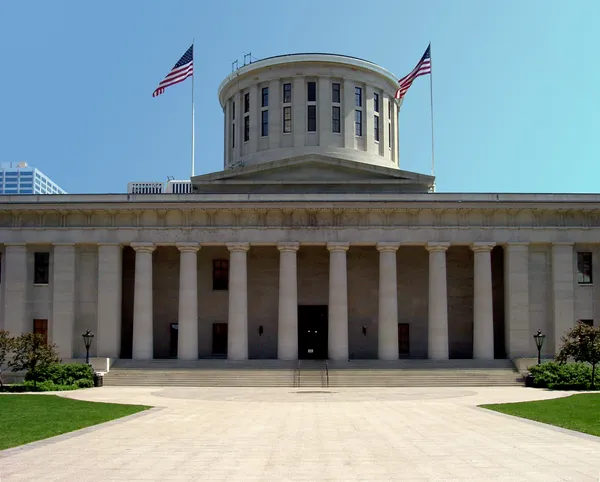
A public forum in Columbus brought Democratic candidates for Ohio governor before voters as the party heads toward the May 5, 2026 primary election. The event comes at a moment when the state’s next gubernatorial contest is drawing national attention, with Republicans fielding a high-profile nominee-in-waiting and Democrats attempting to consolidate behind a ticket capable of competing statewide.
Ohio will elect a new governor on Nov. 3, 2026, because Gov. Mike DeWine is term-limited. The Democratic forum in Columbus reflected a familiar campaign-season function: offering candidates a controlled setting to outline priorities, answer voter questions and demonstrate readiness for a general election that will be shaped by turnout, fundraising and the broader political environment.
Where the Democratic field stands
The Democratic contest has been led by Dr. Amy Acton, the former state health director who entered the race amid intense statewide name recognition from her role in Ohio’s early COVID-19 response. In January, Acton announced former Ohio Democratic Party chair David Pepper as her running mate, forming a ticket ahead of the primary.
Party activity has signaled an effort to unify early. In late February, the Ohio Democratic Party’s executive committee endorsed Acton for governor and Sherrod Brown for U.S. Senate, moves aimed at concentrating resources and attention on marquee races in a year when Democrats are trying to improve performance in statewide contests.
Republicans already aligned around Vivek Ramaswamy
The Democratic forum also unfolded against a rapidly solidifying Republican landscape. Vivek Ramaswamy, an entrepreneur and former presidential candidate, secured the Ohio Republican Party’s endorsement in May 2025 and later selected Ohio Senate President Rob McColley as his running mate. Republican Attorney General Dave Yost suspended his gubernatorial campaign days after losing the party endorsement, narrowing the path for an intraparty challenge.
Money, polling and the road to November
Beyond candidate visibility, structural factors are already shaping expectations for the fall campaign.
Fundraising: early 2025 reports indicated a substantial cash advantage for Ramaswamy over Acton, a gap that could influence advertising, staffing and field operations.
Polling: surveys released during the winter suggested the general-election contest may be competitive, with movement among key voter groups compared with earlier measurements.
Primary calendar: with Ohio’s primary set for May 5, candidates have limited time to turn forums into measurable support through voter contact, coalition-building and local organizing.
With the primary approaching, Columbus forums provide one of the few venues where candidates can be compared side-by-side on policy priorities and governing approach.
What to watch next
The immediate question for Democrats is whether primary-season events in Columbus and elsewhere translate into a unified electorate and a durable campaign infrastructure. For voters, the next milestones are the certified primary ballot, early voting timelines and additional debates and public forums expected across central Ohio before ballots are cast on May 5.