Columbus gas prices dip briefly, but volatile oil markets and regional factors keep costs elevated
A modest pullback follows weeks of uneven pricing
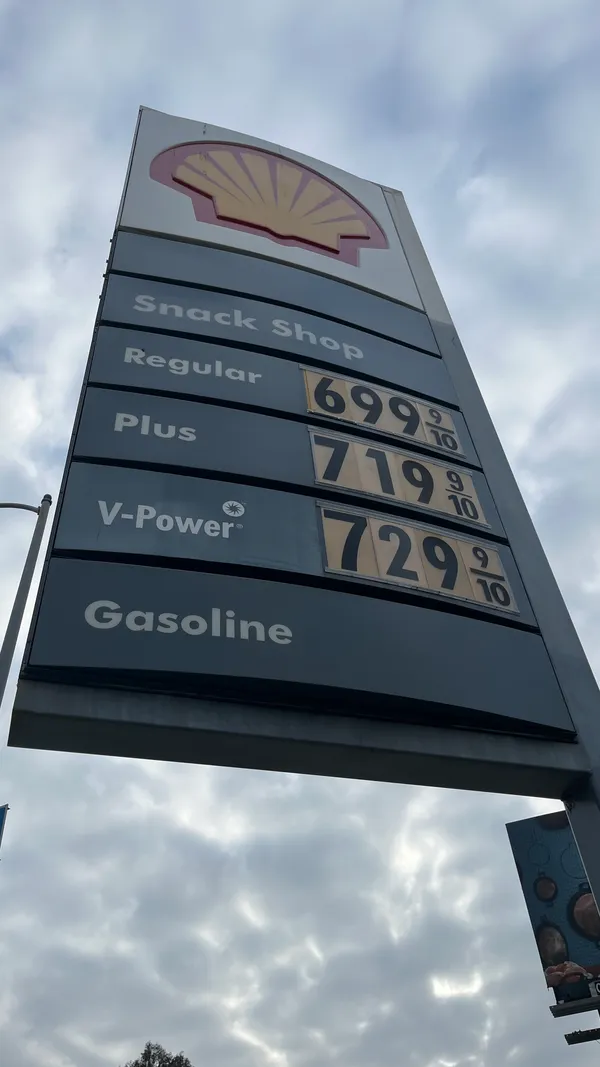
Motorists in Columbus have seen a small dip in gasoline prices in recent days, interrupting a pattern of sharp week-to-week changes that has defined the market since the start of 2026. The decline has been noticeable enough to register as a respite at the pump, but it has not altered the underlying forces that have kept fuel costs unstable across Ohio and much of the Midwest.
Pricing in Columbus has been characterized by rapid swings that can erase a weekly drop within days. That volatility reflects a mix of normal seasonal dynamics—refineries shifting from winter to summer blends and demand rising into spring—alongside tighter supply conditions that can develop quickly when refinery operations are disrupted or wholesale inventories change.
Why a short-term decrease does not change the outlook
Gasoline prices are ultimately anchored to crude oil costs, which have been under renewed pressure in March amid heightened geopolitical risk in global energy markets. When crude prices rise, wholesale gasoline typically follows, and retail prices adjust with a lag that can vary by region and by station.
For Central Ohio drivers, that means a week of lower posted prices may reflect temporary retail “price cycling” or a brief easing in wholesale costs rather than a sustained downward trend. Even when national averages cool, Columbus-area prices can move differently because the Midwest relies heavily on regional refining and distribution networks that are sensitive to outages and pipeline constraints.
Regional supply issues can amplify Midwest price swings
Midwest refinery utilization and unplanned maintenance can have outsized effects on local pricing. When supply tightens, wholesalers raise rack prices, and retail stations often respond quickly—especially in metro areas where competition is intense but replenishment costs shift rapidly.
At the same time, early spring demand typically begins to climb as travel increases and warmer weather encourages more driving. This seasonal demand rise can coincide with refinery transition periods, producing the kind of abrupt moves that leave consumers feeling that prices are changing faster than other everyday costs.
What drivers can watch in the weeks ahead
Several indicators will shape whether Columbus sees further easing or another upswing:
- Changes in crude oil prices tied to international developments and production expectations.
- Midwest refinery operating conditions, including planned and unplanned downtime.
- Wholesale gasoline spreads and regional inventory levels as summer-grade fuel distribution ramps up.
- Seasonal demand growth approaching late March and April travel periods.
Retail gasoline markets can move quickly when wholesale costs change, but sustained relief typically requires a durable shift in crude prices and regional supply conditions.
The bottom line for Columbus households
The latest dip offers some near-term breathing room for drivers, but the broader environment remains one of elevated uncertainty. With crude markets sensitive to geopolitical developments and the Midwest entering a seasonally volatile period for refining and distribution, Columbus motorists should expect continued price movement rather than a steady decline.
For consumers, the key distinction is that a short-lived drop—while welcome—does not automatically signal that the market has stabilized or that fuel costs have entered a sustained downward phase.