Columbus gas prices jump more than 60 cents in a week as Iran conflict tightens oil markets
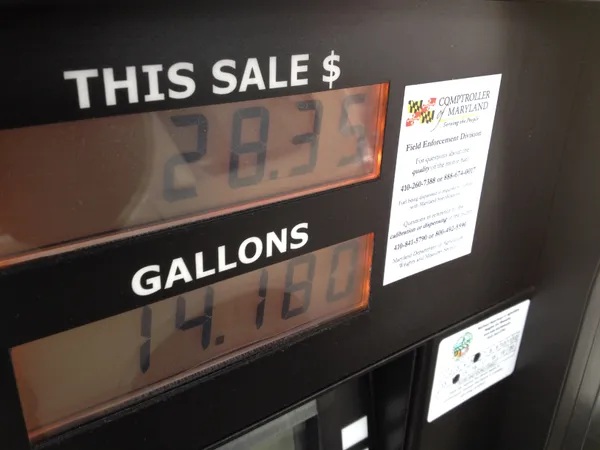
Central Ohio drivers see fast pump-price increases as global crude benchmarks rise
Gasoline prices in and around Columbus climbed sharply over the past week, reflecting a broader statewide and national move higher as the conflict involving Iran has injected new risk into global energy supply routes and pricing.
A survey of roughly 500 retail stations in the Columbus area found the average price for regular gasoline rose 62.6 cents per gallon from the prior week to $3.46. Statewide, the average for regular gasoline reached $3.43 per gallon, up about 65 cents in a week, placing Ohio among states experiencing some of the steepest near-term increases.
Why global conflict can move local prices quickly
Even without an immediate shortage at Midwestern fuel terminals, retail gasoline prices often respond quickly to changes in wholesale costs and market expectations. When global crude prices rise, refiners and wholesalers generally face higher input costs; those increases can work through supply contracts and spot purchases into local rack prices and, shortly after, into retail pricing.
The conflict has raised concern about disruptions to maritime shipping and infrastructure in a region central to global oil flows. Market participants price not only actual supply losses but also the probability of interruptions, higher insurance and shipping costs, and the potential for precautionary stock-building.
What motorists in Columbus are paying now
Columbus-area average: $3.46 per gallon for regular, after a 62.6-cent weekly increase.
Ohio statewide average: $3.43 per gallon for regular, after roughly a 65-cent weekly increase.
How long elevated prices could last
How quickly prices stabilize depends on several variables: whether energy facilities and shipping lanes remain fully operational, whether crude inventories are drawn down, and whether global producers offset any disruptions. In past geopolitical shocks, pump prices have sometimes eased when risk premiums receded, but they have also remained elevated when disruptions persisted or when markets expected a longer period of tighter supply.
In the short term, fuel prices typically track wholesale market moves more closely than local demand changes, meaning regional retail prices can rise even before physical supply constraints are visible to consumers.
What to watch next in Ohio
Drivers are likely to see continued day-to-day volatility while crude markets react to developments in the conflict. Additional key signals include movements in national and regional wholesale gasoline prices, refinery operating rates, and any indications of slowed or rerouted tanker traffic affecting global supply chains.