Columbus leaders mark Jesse Jackson’s death at 84, reflecting on civil rights and voting legacy
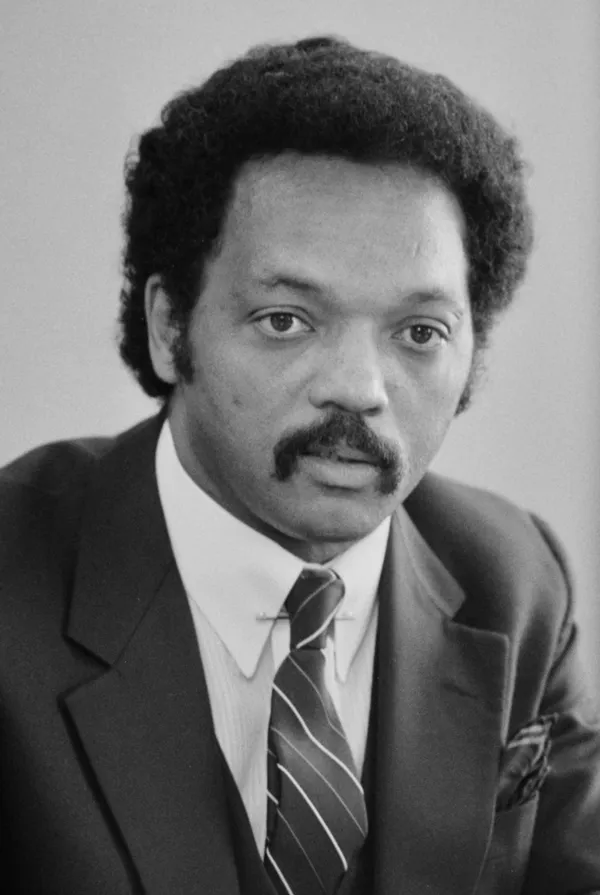
A national figure whose work shaped modern political organizing
The Rev. Jesse L. Jackson Sr., a central figure in U.S. civil rights advocacy for more than five decades, died on Tuesday, Feb. 17, 2026, at age 84. His family said he died peacefully in Chicago, surrounded by relatives.
Jackson rose to prominence in the years after the assassination of the Rev. Martin Luther King Jr., blending street-level protest, faith leadership and electoral politics. Over time, he became one of the country’s most recognizable civil rights voices, known for campaigns focused on voting rights, economic opportunity, education access and fair employment practices.
Columbus reaction: local grief, national impact
In Columbus, elected officials and civic leaders issued messages of condolence and remembrance as news of Jackson’s death spread Tuesday. Statements from local leadership emphasized Jackson’s influence on civic participation and coalition-building, particularly in the decades when urban political power and voter mobilization became central tools of civil rights strategy.
While the tributes were personal in tone, they centered on a public record: Jackson helped expand the idea that civil rights advocacy could move simultaneously through protest, negotiations with institutions and participation in electoral politics—an approach that has shaped community organizing models still used in cities like Columbus.
From King’s movement to Rainbow/PUSH
Jackson worked closely with King’s Southern Christian Leadership Conference and later built organizations aimed at extending the movement’s goals into employment and economic justice. He founded Operation PUSH and later helped lead the Rainbow/PUSH Coalition, an umbrella effort that promoted broad alliances across racial and economic lines while pressuring institutions to broaden access and representation.
His two runs for the Democratic presidential nomination—in 1984 and 1988—were pivotal moments in modern U.S. politics. They mobilized new voters and demonstrated the potential strength of multiracial coalitions inside party primaries, influencing subsequent campaigns and strategies nationwide.
Health struggles and final years
Jackson’s public appearances became more limited as his health declined. He had been diagnosed with progressive supranuclear palsy, a rare neurological disorder, and had been hospitalized in Chicago in late 2025 amid complications associated with the condition.
What Columbus leaders highlighted
Local remembrances broadly focused on themes that have become central to city governance and community advocacy in Columbus: expanding civic participation, sustaining voter engagement, and linking civil rights to economic opportunity. Jackson’s career is frequently cited as an example of how national movements translate into local political change—through registration drives, turnout campaigns and sustained public pressure.
- Jackson was a Baptist minister and civil rights organizer who became a national political figure.
- He founded organizations that emphasized economic justice and coalition-based organizing.
- He ran for president twice, helping reshape Democratic primary politics and voter mobilization.
Jackson’s death comes as cities across the country continue to debate how best to protect voting access, close opportunity gaps and build durable civic coalitions—issues that defined much of his public work.
Public observances and funeral arrangements were expected to be announced in Chicago. Jackson is survived by his wife, Jacqueline, and their family.