Columbus leaders reaffirm support for Haitian residents as city expands immigrant services and counters misinformation
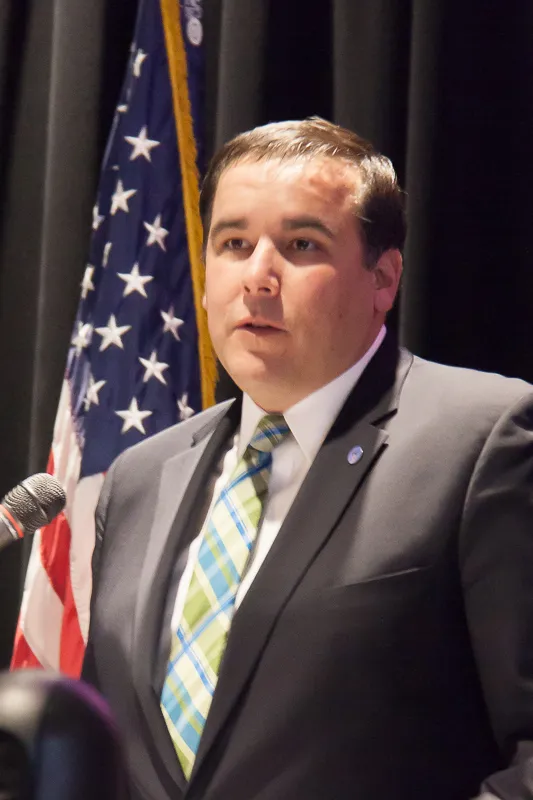
Press conference frames safety, services, and civic cohesion as core priorities
Columbus city leaders and elected officials held a press conference to publicly affirm support for the city’s Haitian community, placing the message in the broader context of heightened anxiety among immigrant residents and persistent misinformation targeting Haitians in Ohio.
The city’s approach has emphasized two parallel goals: reinforcing that residents can access city services without fear, and maintaining public-safety trust so people continue to report crimes, seek medical help, and call 911 when needed. In late 2025, city officials also addressed concerns tied to federal immigration activity in the region, stating that local government and policing resources would not be used for immigration enforcement beyond what is legally required, and that essential services would not be conditioned on immigration status.
Local policy moves highlight longer-term infrastructure for immigrant and refugee affairs
The press conference comes as Columbus has been formalizing structures intended to improve coordination with immigrant and refugee communities. In 2024, City Council advanced plans for an Immigrant and Refugee Affairs Commission, describing it as a mechanism to help residents navigate services and to ensure city government has consistent input from communities facing language and access barriers.
Representatives tied to the Haitian Community Network participated in those discussions, describing goals that included economic empowerment and protection from discrimination, while council leadership cited immigrant contributions to regional growth as part of the policy rationale.
Resources for newly arrived families have expanded since the Colonial Village displacement
Columbus has also sought external funding to help meet immediate humanitarian needs connected to migrant arrivals. In September 2024, the city announced a $6.6 million federal award through the Shelter and Services Program to support services including shelter and food assistance for eligible migrants, asylum seekers, and refugees. City officials characterized the funding as a way to strengthen capacity and reduce strain on local systems following the displacement of hundreds of families after the Colonial Village apartment complex was condemned.
In parallel, community organizations serving Haitian residents have reported rising demand for language assistance and school-based support as more families settle in the region or relocate from other Ohio cities.
Ohio-wide tensions have shaped the local response
Support efforts in Columbus have unfolded against a statewide backdrop in which Haitian communities—particularly in Springfield—have faced repeated waves of false claims and harassment. Springfield officials and state leaders publicly rejected allegations that Haitian immigrants were harming pets or wildlife, while the city reported bomb threats and other disruptions amid national amplification of the claims.
In response to related costs, the Ohio Mayors Alliance Foundation created an emergency relief fund and awarded Springfield a $100,000 grant in November 2024 to assist with translation services and unanticipated security needs. Columbus Mayor Andrew Ginther participated in a bipartisan mayoral visit to Springfield in September 2024 that helped catalyze that relief effort.
What city leaders say residents should expect next
- Continued emphasis on access to services, including language support and community navigation.
- Public messaging aimed at reducing fear and encouraging residents to seek help from city systems when needed.
- Ongoing coordination with community organizations as schools, housing providers, and social-service partners adapt to changing needs.
City officials framed the press conference as a commitment to civic stability: ensuring public safety relies on trust, and that residents can participate in city life without being targeted because of national-origin identity.