Columbus, Montana school district reports bacterial meningitis case; officials say student-to-student transmission risk is low
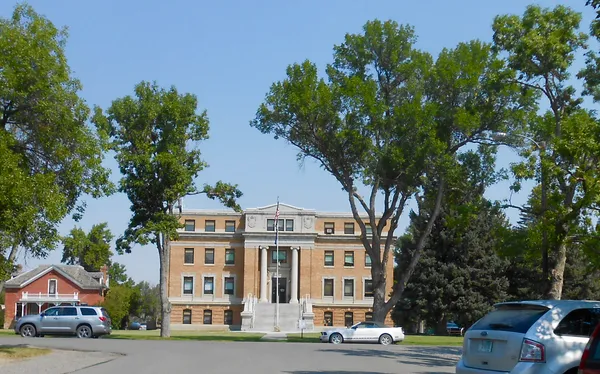
District confirms case and limits details because of privacy laws
A student in the Columbus School District in Columbus, Montana has been diagnosed with bacterial meningitis and is being treated in a hospital, district officials announced this week. The district said it notified families and the community after learning of the confirmed case.
In a statement, Superintendent Casey Klasna said the district was advised by health officials that, in this specific situation, the likelihood of student-to-student transmission is “extremely low.” Because of student and medical privacy laws, the district said it will not release additional identifying or medical information about the student.
A school official said the student is a senior at Columbus High School. The district indicated that school operations and extracurricular activities are continuing as normal.
What bacterial meningitis is—and why officials focus on close contacts
“Bacterial meningitis” describes infection-related inflammation of the membranes surrounding the brain and spinal cord. While some forms are highly serious and can progress rapidly, the risk of spread varies widely depending on the specific bacteria involved and the nature of exposure.
Public health responses typically focus on identifying and notifying people with close or prolonged exposure to an infected person’s respiratory or oral secretions. In school settings, this generally means intensive follow-up with individuals who may have had direct, sustained contact, rather than broad exposure across an entire building.
- Transmission is most strongly associated with close, direct contact such as kissing or sharing drinks.
- Casual contact in classrooms is less likely to result in transmission in many scenarios.
- When indicated, public health officials may recommend preventive antibiotics for close contacts.
Symptoms families are advised to take seriously
The district urged families to seek immediate medical care if a child develops symptoms consistent with a rapidly worsening illness. Common warning signs associated with bacterial meningitis can include fever with severe headache and neck stiffness; some cases can also involve confusion, difficulty waking, vomiting, or sensitivity to light.
District officials urged parents to reinforce basic precautions such as not sharing drinks, covering coughs, and regular handwashing.
Vaccination and prevention measures
Some causes of bacterial meningitis are vaccine-preventable. In the United States, routine adolescent immunization includes meningococcal vaccination, with an initial dose typically given at ages 11–12 and a booster dose at age 16. Additional vaccination recommendations may apply for people at increased risk.
The district said it will continue coordinating with health experts. Families seeking personalized guidance are typically advised to contact their health care provider, especially if a student is identified as a close contact or develops concerning symptoms.