Columbus neighbors band together to free snowbound cars as historic storm strains local plowing capacity
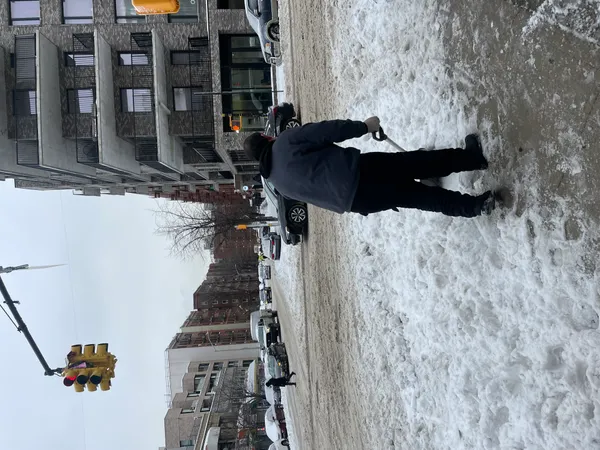
A winter storm left many vehicles trapped on residential streets and in parking lots
A major winter storm that moved through Central Ohio in late January deposited near a foot of snow in Columbus, creating travel restrictions and leaving many neighborhoods with difficult-to-navigate side streets and parking areas. While primary routes were prioritized for treatment and plowing, many residents found their cars blocked by deep snow, drifting, or plow berms at the ends of driveways and along curb lines.
Across Columbus, residents responded at street level, helping neighbors push, shovel, and dig out vehicles that were stuck or unable to clear unplowed stretches. Reports from multiple neighborhoods described informal teams forming around stranded cars, with people sharing shovels and taking turns breaking up packed snow around tires and clearing exhaust areas before attempting to move vehicles.
Why so many cars were immobilized
City snow operations are typically structured around a priority system that focuses first on major arterial roads and critical connectors. That approach can leave alleys, smaller residential streets, and some private parking lots to clear later or not at all, depending on conditions, access constraints, and ongoing snowfall. In this storm, heavy accumulation and wind-driven drifting increased the time needed to restore passable conditions beyond main routes.
Residents in apartment complexes and off-street parking areas also reported that even where lots were plowed, vehicles could remain trapped behind ridges of snow left by clearing operations. In other locations, narrow alleys and obstacle-filled service lanes complicated access for large plow equipment, shifting the burden of digging out to property managers and residents.
Mutual aid fills gaps when services are stretched
The neighbor-to-neighbor response reflected a practical reality of severe snow events: emergency services and public works resources are finite, and the most urgent transportation corridors are addressed first. Helping a nearby driver regain mobility can also reduce secondary hazards, including vehicles blocking lanes, stalled cars on grades, and prolonged exposure to cold.
Residents described common techniques used during the storm, including clearing packed snow from around wheel wells, creating traction paths, coordinating pushes timed with gentle acceleration, and using household items when snow tools were limited.
Safety considerations during dig-outs
- Clear snow away from tailpipes before starting a vehicle to reduce the risk of exhaust backing up.
- Avoid standing directly behind tires while a vehicle is attempting to move, especially on ice.
- Use slow, controlled acceleration to limit wheel spin that can dig cars in deeper.
- Watch for plows and give them room; visibility around large equipment can be limited.
In many blocks, the fastest path back to mobility was not a tow truck or a plow arrival, but a few neighbors with shovels working together.
With cleanup continuing after the storm’s peak, residents are expected to face additional challenges as temperatures fluctuate and snow compacts or refreezes. For many, the immediate lesson of the weekend was straightforward: in extreme conditions, small acts of local coordination can restore access one driveway—and one car—at a time.