Columbus snow cleanup strains residential access as older residents report delays, limited mobility, and safety concerns
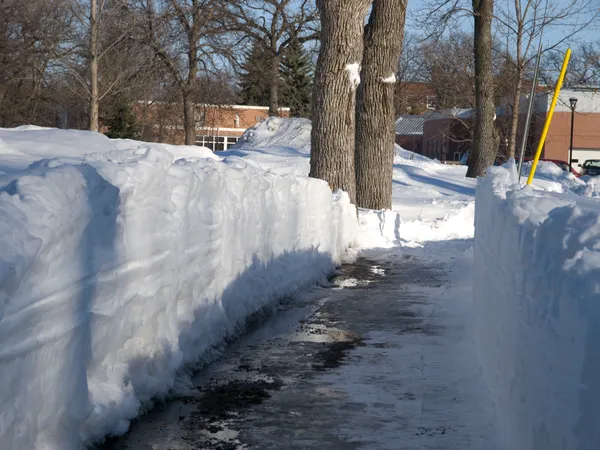
A storm cleanup that exposed uneven access
In the days after Winter Storm Fern brought nearly a foot of snow to the Columbus area, the city’s cleanup effort shifted from keeping major corridors open to restoring access on residential streets. That transition has been uneven across neighborhoods, leaving some residents—particularly older adults and people with limited mobility—reporting that they remained effectively stranded even after main roads improved.
The storm’s impact extended beyond normal commuting disruptions. A Level 3 snow emergency was declared in Franklin County—an unusually rare restriction that limits travel to essential or emergency needs—reflecting both snowfall volume and the hazardous conditions that followed, including persistent low temperatures and the risk of black ice.
How plowing priorities can delay neighborhood streets
Columbus’ snow and ice operations prioritize roads with the highest traffic and emergency importance first, then move into neighborhood corridors. City guidance outlines a tiered approach that starts with major routes and connectors before reaching lower-priority residential streets. Under this approach, some residential streets may not be plowed until snowfall reaches a threshold, and service goals for neighborhood streets focus on passability rather than full curb-to-curb clearing.
In practice, that sequencing can create prolonged isolation for residents who live on lightly traveled streets or in areas where drifting and re-freezing slow progress. For older residents relying on in-home caregivers, medical visits, pharmacy access, or regular deliveries, even a short delay in street passability can become a serious logistical problem.
Operational scale and tracking tools
City leaders said nearly 100 city vehicles were deployed during recovery, with operations shifting toward residential corridors after the initial emergency-access phase. The city also worked with the county engineer’s office to begin trucking snow out of downtown, a measure used when accumulation limits roadway capacity even after plowing.
Residents can monitor street service activity through the city’s plow-tracking map, which shows recent snow and ice treatment activity and provides time-stamped updates on when a street was last serviced within a rolling window.
Help requests, service reporting, and cold-weather resources
As cleanup continued, residents reported that some blocks remained difficult to navigate for days, prompting calls for assistance and service requests. The city’s 311 system remains the primary channel for non-emergency service reporting and tracking, including winter response concerns.
Officials also emphasized safety risks that can persist after plowing, especially overnight refreezing and black ice. For residents who need immediate shelter from cold weather or who encounter someone who does, local warming-center coordination is available through the region’s homelessness response system hotline.
Winter storm recovery is not only a transportation issue; it can become a neighborhood access and public safety issue when residents cannot reliably leave home or receive services.
- Cleanup typically begins with major routes and emergency-access corridors before moving into residential streets.
- Service goals for neighborhood streets may focus on basic passability, not full clearing.
- Older adults and residents with limited mobility face higher risk when access is delayed.
- City tools and hotlines are available to track plowing activity and request non-emergency services.
As temperatures remain low and refreezing continues, the pace and consistency of residential street clearing will remain a key measure of how quickly the city can restore day-to-day mobility across all neighborhoods.