Columbus sues lead pipe manufacturers as city seeks reimbursement for costly water-line replacement program
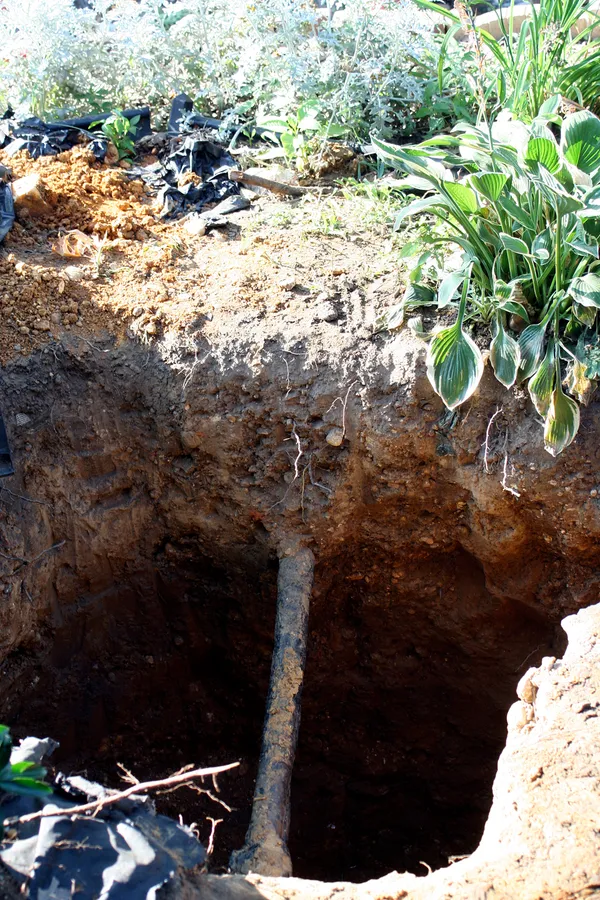
Lawsuit targets legacy infrastructure costs as replacement program expands
The City of Columbus has filed a lawsuit against lead pipe manufacturers, seeking to shift part of the financial burden of replacing remaining lead service lines in the city’s water system. The legal action comes as Columbus scales up a long-term effort to remove lead-containing service lines—pipes that connect water mains to individual homes and buildings—and to address the cost of work that can extend onto private property.
Columbus has created a citywide Lead Service Line Replacement Program intended to remove lead and eligible galvanized service lines across the service area. City materials describe the initiative as a multi-year buildout tied to planned construction activity street by street, with a goal of eliminating remaining lead and galvanized lines by 2037. The city has also reported that a substantial portion of service-line records remain classified as “unknown material,” a factor that can expand the scope of replacements as materials are verified during field work.
What the city is replacing, and why it is expensive
Service lines are often split between publicly controlled segments and portions running under private property. Columbus has established a process allowing residents to grant permission for replacements when work reaches their street. Separately, city program guidance notes that if a leak, clog, or break occurs, the property owner may be responsible for arranging and paying for repair or replacement in those circumstances—costs the city has said can run into the thousands of dollars.
- Lead service lines and some galvanized lines are targeted because lead can enter drinking water through corrosion and plumbing materials.
- Records gaps and “unknown” designations can require verification before a line is ruled out.
- Construction involves excavation, restoration, traffic control, and coordination with property owners, which drives per-location costs.
How the lawsuit fits into broader funding pressure
City officials have publicly described the overall replacement effort as a major capital undertaking, with cost projections reaching about $1 billion. The lawsuit arrives amid a national push—driven by tightening federal requirements and state-level initiatives—for faster lead service line removal, a transition that many utilities say will require sustained borrowing, grants, and ratepayer funding.
Columbus has pursued multiple funding channels, including state-supported awards for targeted replacements near sensitive locations such as child care facilities. Those projects are structured alongside the city’s broader replacement schedule rather than replacing the need for a citywide buildout.
What happens next
The filing initiates a court process that can take months or years, depending on early motions, discovery, and potential appeals. The city’s broader construction program is expected to continue while the lawsuit proceeds, meaning the central practical question is not whether replacements move forward, but whether Columbus ultimately recovers a portion of past or future costs from manufacturers.
For residents, replacement timelines typically depend on when scheduled construction reaches their street and on verification of service-line material.
Separately from litigation, the city continues to emphasize enrollment and access agreements that allow crews to replace eligible service lines when a neighborhood is scheduled for work.