Columbus Zoo welcomes Amur tiger brothers as part of a coordinated conservation breeding program effort
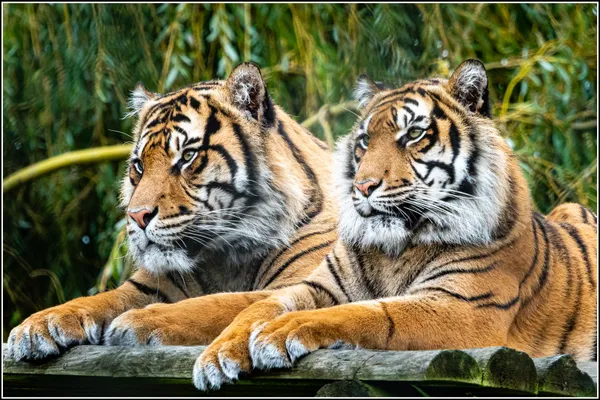
New arrivals expand the zoo’s big-cat roster
The Columbus Zoo and Aquarium has welcomed a pair of Amur tiger brothers, adding a high-profile endangered species to its Asia-region carnivore collection and expanding its role in managed conservation breeding. The two tigers are siblings and are expected to be introduced to the public after a period of acclimation and animal-care evaluation, a standard practice when large carnivores change facilities.
Amur tigers (also known as Siberian tigers) are among the most intensively managed big cats in accredited North American zoos because the wild population remains small and geographically concentrated in the Russian Far East and parts of northeastern China. In professional care, breeding and transfers are typically guided by long-term population planning intended to preserve genetic diversity and demographic stability.
Why zoos move tigers between institutions
Big cats are rarely moved for display alone. Transfers commonly support structured breeding recommendations and long-term population management across multiple facilities. In practice, that can mean moving animals to pair them with compatible mates, reducing inbreeding risk, or balancing space needs as cubs mature into adults.
These transfers also reflect the reality that tigers are solitary by nature. Even when siblings arrive together, husbandry plans often include flexibility for separation as the animals age, depending on behavior, veterinary considerations, and exhibit design.
What visitors should expect
Before any public debut, newly arrived tigers typically spend time behind the scenes to:
- complete veterinary assessments and quarantine protocols as required by professional standards;
- acclimate to new sounds, scents, keeper routines, and holding areas;
- begin protected-contact training that supports routine care, weighing, and health checks;
- transition gradually into on-exhibit spaces on a schedule designed to minimize stress.
If the brothers are placed on a rotating exhibit schedule, guests may see them at different times rather than together continuously, depending on their compatibility and management needs.
Conservation context: a flagship species with limited margin for error
The Amur tiger’s conservation status has made it a flagship species for habitat protection and anti-poaching enforcement. While wild conservation outcomes depend primarily on protection in range countries, zoo-based population management is designed to maintain a healthy, genetically diverse reserve population under human care.
For species with small wild populations, coordinated breeding programs aim to preserve genetic diversity over generations and prevent the loss of family lines.
Local significance
For central Ohio, the arrival of the Amur tiger brothers is also a reminder that modern zoos function as regional partners in a continent-wide network, coordinating animal care, veterinary expertise, and breeding decisions. The Columbus Zoo’s next steps—acclimation, training, and any eventual breeding recommendations—will determine how these brothers fit into longer-term plans for the Amur tiger population in professional care.
The zoo has not indicated a specific timeline for a full public debut in the information released with the announcement.