Doc Holliday, Columbus Fire’s accelerant-detection K-9, dies March 13 after cancer diagnosis and retirement
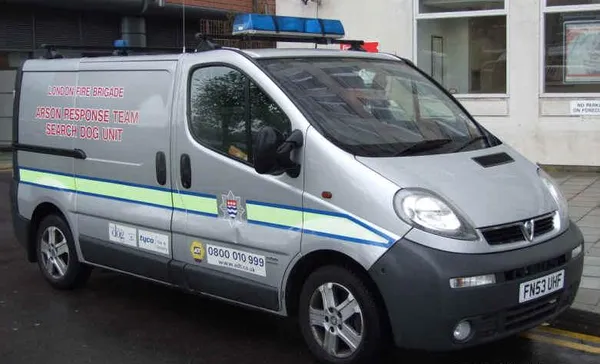
A K-9 partner in fire investigations
Doc Holliday, an accelerant-detection dog assigned to the Columbus Division of Fire’s Arson/Investigations Unit, died on March 13 after being diagnosed earlier this year with an aggressive form of cancer. The dog had been removed from service and medically retired on February 10, following the diagnosis.
Doc served in the unit beginning in 2021, supporting investigators by helping locate traces of ignitable liquids that can indicate whether a fire was intentionally set. Accelerant-detection canines are trained to identify petroleum-based substances commonly used in arson, then alert handlers to areas where evidence collection should be concentrated. In practice, the K-9’s indication guides investigators toward targeted sampling for subsequent laboratory analysis and potential use in criminal proceedings.
Work performed and end-of-service timeline
During his service, Doc was deployed across a large number of scenes and operational settings tied to fire investigations and related calls for service. The timeline presented by the department’s K-9 support network places his cancer diagnosis on January 20, with immediate removal from duty, followed by medical retirement on February 10. Doc died just over a month later, on March 13.
How accelerant-detection dogs fit into investigations
Accelerant-detection canines are part of a broader investigative workflow. Fire investigators document origin-and-cause findings, collect physical evidence, and coordinate with forensic laboratories. When a dog indicates a potential accelerant location, investigators can take more precise samples from debris that might otherwise be difficult to evaluate after suppression efforts and heat damage. This targeted approach is intended to improve efficiency and preserve probative material for testing.
In Columbus, the canine capability is embedded within the division’s fire investigation functions, reflecting a model used in many jurisdictions where fire service investigators and law enforcement coordinate on suspected arson. The use of trained dogs is also consistent with federal and state programs that place and certify accelerant-detection canine teams for local agencies.
Service roles and community recognition
Beyond casework, working dogs in fire services often represent a visible part of public-safety outreach, training demonstrations, and interagency cooperation. Columbus has trained and maintained canine resources to support fire investigations over multiple years, and K-9 teams can be requested for joint operations when investigations cross jurisdictional boundaries.
Doc’s death closes the service record of a K-9 assigned to one of the division’s most specialized investigative functions: detecting minute traces of ignitable liquids at fire scenes.
- Diagnosed with cancer: January 20, 2026
- Medically retired from duty: February 10, 2026
- Died: March 13, 2026
The Columbus Division of Fire has not released additional operational details about ongoing cases connected to Doc’s past deployments. The department’s investigative work continues with established protocols for evidence collection, laboratory testing, and case coordination when arson is suspected.