Endangered Masai giraffe calf born at The Wilds highlights long-running conservation breeding in Ohio
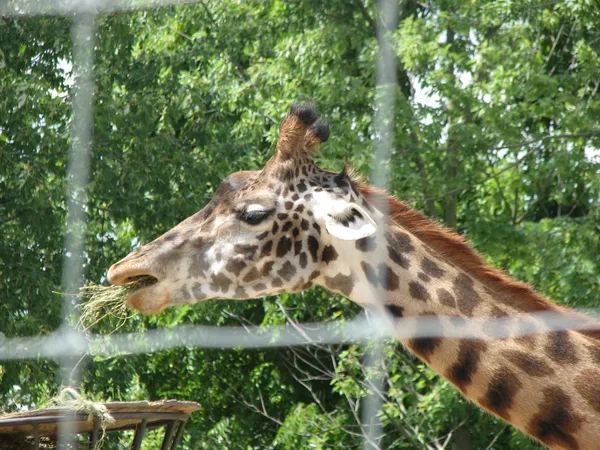
A new calf joins a managed herd in Cumberland, Ohio
An endangered Masai giraffe calf was born on the morning of August 17, 2023, at The Wilds conservation center in Cumberland, Ohio, a facility managed by the Columbus Zoo and Aquarium. Staff reported that the female calf appeared strong and was observed nursing shortly after birth.
The Wilds described the birth as the 22nd giraffe calf recorded at the conservation center across its history, underscoring the site’s long-term role in maintaining giraffe populations in professional care.
Parents and breeding decisions
The calf’s mother, Savannah, was born at Cleveland Metroparks Zoo in August 2003 and has lived at The Wilds since 2004. Animal-care staff identified the newborn as Savannah’s seventh calf.
The father, Raha, was born at the Los Angeles Zoo in April 2006 and transferred to The Wilds in 2009 from the Pittsburgh Zoo & PPG Aquarium. The facility said he has sired 11 calves since arriving.
The pairing was made through a recommendation under the Association of Zoos and Aquariums’ Species Survival Plan, a coordinated breeding framework designed to support genetic health and diversity for threatened and endangered species maintained by accredited institutions.
Why Masai giraffes are considered endangered
The Masai giraffe subspecies was listed as endangered in 2019, with the population described as having fallen by nearly 50% over roughly three decades. Estimated numbers cited for the subspecies were about 35,000 remaining in native range areas in southern Kenya and north and central Tanzania.
Threats described for Masai giraffes include habitat loss, civil unrest and military operations, poaching, and ecological changes.
How zoos connect births to broader conservation work
The Wilds and the Columbus Zoo and Aquarium said they have provided more than $172,000 over a five-year period to support giraffe conservation projects in range countries. The institutions listed multiple recipient initiatives, including work in Kenya, Tanzania, Namibia and Uganda.
Facilities such as The Wilds commonly combine herd management, public engagement and funding support for field projects as part of a broader conservation strategy for species facing population declines.
What visitors may see, and what typically happens after a birth
The Wilds stated the calf may be visible to guests during Wildside Tours. The facility also noted basic newborn giraffe milestones: calves are typically born after an approximately 15-month gestation, are delivered while the mother is standing, and can stand and run within a few hours.
Public viewing of newborn animals can vary based on animal welfare considerations, staff monitoring needs and facility operations.
- Birth date and location: August 17, 2023, at The Wilds in Cumberland, Ohio
- Calf: female Masai giraffe; observed nursing; being monitored by staff
- Mother: Savannah (born August 2003; resident at The Wilds since 2004)
- Father: Raha (born April 2006; at The Wilds since 2009)