Family files wrongful-death lawsuit after Columbus police cruiser collided with pickup truck, killing driver on West Side
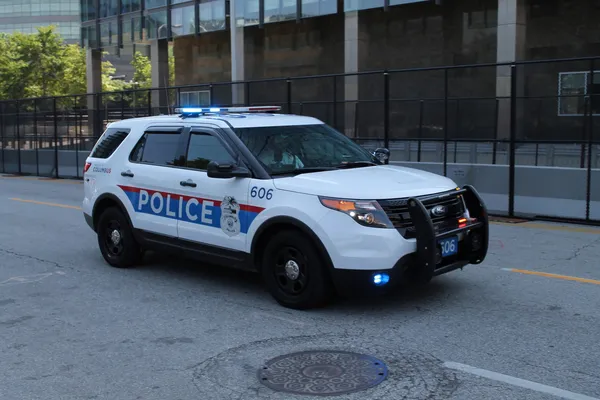
Lawsuit targets officer and city over emergency-response driving
The family of a man who died after a collision with a Columbus police cruiser has filed a wrongful-death lawsuit against the officer who was driving and the City of Columbus. The suit seeks civil damages and alleges the crash was preventable, raising questions that are central in many emergency-response cases: speed, right-of-way, and the duty to proceed safely through intersections even when lights and sirens are activated.
The crash occurred on Columbus’ West Side on West Broad Street, in the early morning hours, while the officer was responding to a reported burglary with the cruiser’s emergency lights and siren on. The cruiser struck the man’s pickup truck, and the driver later died from injuries, according to publicly reported accounts of the incident and subsequent legal filing.
What the lawsuit alleges
The family’s complaint contends that the officer failed to operate the cruiser with due regard for public safety while responding to the call. Wrongful-death and related negligence claims in such cases typically focus on whether the officer slowed as necessary when entering an intersection, maintained a safe speed for conditions, and took reasonable steps to avoid a collision while still attempting to respond quickly to an emergency.
The lawsuit also names the city, an approach that can broaden the case beyond the actions of one employee and into questions of policy, training, supervision, and whether the city bears legal responsibility for the officer’s conduct while acting within the scope of employment.
Key facts likely to be examined
As the case proceeds, several categories of evidence are likely to be central, including dash-camera video, dispatch records and timestamps, event data from the cruiser if available, and crash-reconstruction findings. In cases involving emergency vehicles, the analysis often turns on objective indicators such as:
- the cruiser’s speed before impact and whether it changed as the intersection approached;
- the timing and audibility/visibility of emergency signals to other drivers;
- traffic-control devices and right-of-way for each vehicle;
- sightlines, lighting conditions, and roadway geometry along West Broad Street;
- whether the officer had sufficient time and distance to react.
Where the case stands
The filing initiates a civil process that can include motions challenging the claims, discovery requests for video and records, depositions of the officer and witnesses, and expert analysis. The defendants may deny liability, argue the officer acted reasonably under emergency circumstances, or dispute causation and damages.
Civil wrongful-death lawsuits do not determine criminal guilt; they evaluate legal responsibility for damages under civil standards.
No trial date or outcome was immediately established by the filing itself. The case will move forward in court unless resolved through dismissal, settlement, or judgment.