How to follow Columbus Zoo’s two 2025 baby elephants as they grow, train and meet visitors
Two calves in one year, and more ways to follow their milestones
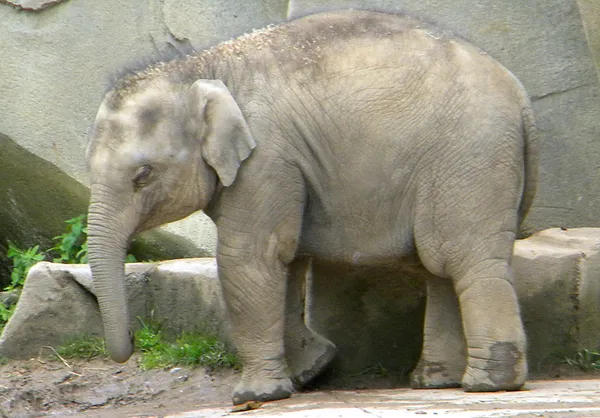
The Columbus Zoo and Aquarium’s Asian elephant herd welcomed two calves in 2025, a first for the institution in a single calendar year. A female calf, Rita Jean, was born on July 23, 2025, to first-time mother Sundara, known as “Sunny.” A male calf, Oliver (nicknamed “Ollie”), was born on October 21, 2025, to Phoebe, an experienced mother. Both calves were born in the zoo’s Asia Quest area, where public viewing is managed around the animals’ care routines.
For visitors trying to track the elephants’ growth, the most consistent updates are published through the zoo’s dedicated baby-elephant update pages. These posts summarize age milestones, changes in viewing routines, and when the calves are likely to be on habitat with their mothers and the wider herd.
What visitors can see now—and why it can change day to day
Elephant viewing at the Columbus Zoo is designed around animal welfare, including the need for nursing, rest, social bonding, and time indoors. The zoo has emphasized that herd members rotate during the day, and that visitors may not always see both calves at the same time.
Rita Jean is viewable with Sunny and other herd members during regular viewing periods, depending on rotations.
Oliver was initially kept behind the scenes for bonding and close monitoring after his Oct. 21 birth, and later began appearing for guests as his routine stabilized.
Viewing windows and whether access is “daily” or “rotational” have been adjusted over time, reflecting the herd’s management needs.
How the zoo documents growth: names, weigh-ins, and early training
The zoo’s public-facing updates offer a structured way to follow each calf’s development: birth details (including weight), nursing and standing milestones, introductions to other elephants, and early behaviors such as trunk exploration and play.
Oliver’s naming process provides another trackable marker. After a public submission period that generated thousands of suggestions, the zoo advanced four finalists to a public vote. The name “Oliver” was selected through that vote, and the zoo has described him as meeting age-appropriate milestones as he becomes more active in both indoor spaces and, weather permitting, outdoor habitat areas.
Why these births matter to managed elephant populations
The calves were born within a structured breeding framework used by accredited zoos to support healthy, genetically diverse populations in professional care. The father of the 2025 calves is Sabu, a bull elephant housed at the Cincinnati Zoo & Botanical Garden, and the pairings were part of a coordinated population-management plan for Asian elephants, a species listed as endangered.
For families and local residents, the most reliable way to follow the calves is to combine in-person visits—planned with viewing rotations in mind—with the zoo’s ongoing milestone posts and naming and registry announcements.
Practical checklist for tracking the calves over time
Check the zoo’s baby-elephant update pages before arriving for the latest viewing format (daily vs. rotational) and time windows.
Expect rotations: seeing one calf does not guarantee both will be out at the same moment.
Follow milestone announcements for introductions, weight updates, and training benchmarks as the calves mature.