Jerrie Mock’s 1964 solo around-the-world flight began in Columbus and reshaped aviation history
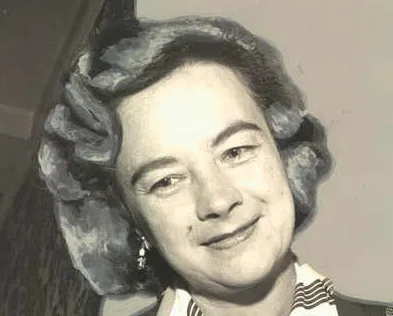
A Columbus-area pilot reached a milestone aviation had not seen before
Geraldine “Jerrie” Mock, an Ohio aviator closely identified with the Columbus region, completed the first solo flight around the world by a woman in 1964—an accomplishment that placed her among the most consequential figures in postwar general aviation. Mock’s trip began and ended in Columbus, tying a global record to a local runway and making the city a permanent reference point in the history of long-distance, single-engine flight.
Timeline: 29 days in the air, a single-engine aircraft, and a defined endpoint
Mock departed from Columbus on March 19, 1964, and returned on April 17, 1964, completing a circumnavigation that lasted 29 days, 11 hours, and 59 minutes. Her aircraft was a 1953 Cessna 180 registered as N1538C, which she named the Spirit of Columbus. The trip combined endurance and logistics: long overwater segments, multiple international stops, and the constraints of a four-seat general aviation plane configured for extended range.
- Departure: March 19, 1964 (Columbus)
- Return: April 17, 1964 (Columbus)
- Aircraft: 1953 Cessna 180, registration N1538C, “Spirit of Columbus”
Aircraft preparation and the operational reality of the flight
The Spirit of Columbus was adapted for the mission with additional fuel capacity and upgraded communications, navigation, and survival equipment. The effort illustrates the practical mechanics behind record flights in the piston era: not only piloting skill, but the engineering and planning needed to extend the range of a standard airframe and to manage route, weather, clearances, and contingencies across multiple jurisdictions.
Context: a period when aviation records still depended on individual pilots
Mock’s flight took place in a public-facing era of aviation milestones, when individual aviators—rather than large crews—were still able to set globally recognized records in relatively small aircraft. Her circumnavigation also unfolded alongside other high-profile attempts at long-distance achievement, underscoring that the 1964 milestone emerged from a competitive and fast-moving moment in aviation history.
The central fact that distinguishes Mock’s accomplishment is not the existence of a circumnavigation attempt, but the completion of a solo, around-the-world flight by a woman—documented with clear start and finish points in Columbus.
Legacy and preservation: the local name on a national artifact
Mock’s aircraft has been preserved in the national aviation collection and is identified by its Columbus name and its registration number, connecting the story to both the city and a specific, surviving airframe. In the Columbus area and in her hometown region, public commemorations—including aviation-related displays and civic recognition—have reinforced the connection between her global flight and central Ohio’s place in aviation history.
Mock died on September 30, 2014, after decades in which her 1964 flight continued to serve as a reference point for discussions about record-setting, long-range general aviation and the role of women in aviation achievement.