ODOT downtown Ramp Up work disrupts Front and Mound streets as new ramps reshape traffic patterns
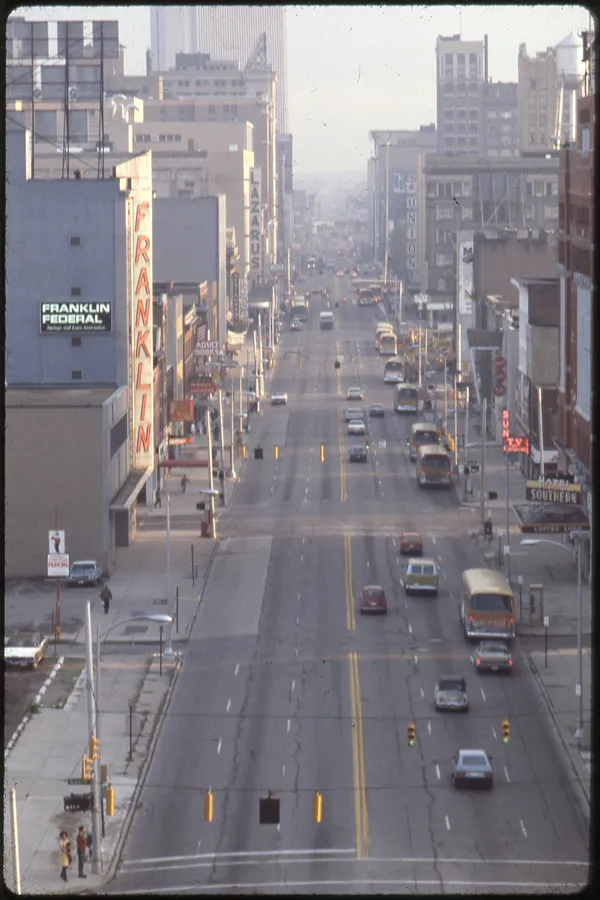
Key downtown streets face extended construction impacts
Major roadway work tied to the Ohio Department of Transportation’s Downtown Ramp Up is altering travel conditions on and around Front Street and Mound Street, two core routes for accessing downtown Columbus and the Brewery District. The activity is part of a broader, multi-phase reconstruction of the I-70/I-71 corridor through the city’s center that has been underway for years and is scheduled to continue into the next decade.
The current work zone environment reflects the project’s shift from primarily interstate-focused construction to surface-street and access changes that directly affect daily downtown circulation. In practice, drivers and pedestrians are encountering narrowed travel lanes, temporary paving, shifting traffic patterns, and recurring closures and re-openings as crews complete roadway, bridge, and ramp connections.
What is driving the Front and Mound disruptions
The Downtown Ramp Up program is a large-scale reconfiguration of the downtown freeway “split” where I-70 and I-71 converge, separating and reconnecting traffic through a sequence of new ramps, bridges, and collector-distributor movements. Within that framework, Front Street and Mound Street are key downtown touchpoints for entering and exiting the interstate system.
A recent milestone was the opening of a new flyover connection to I-71 southbound that also provides a direct downtown access via Mound Street. This change is designed to remove legacy weaving and short-merge conditions that historically forced drivers to cross multiple lanes in a constrained distance near downtown exits.
At the same time, the corridor’s street-level access is being reworked alongside the bridge and ramp network, which is one reason adjacent streets can remain under heavy construction even after a major ramp opens.
Traffic access changes and what commuters should expect
Motorists should plan for a construction environment that can change week to week. Long-term project elements in the area include permanently closed or re-routed downtown ramps, new ramp geometry that can change familiar driving patterns, and recurring lane shifts on streets feeding the freeway system.
Front Street has been central to bridge replacement and downtown access revisions connected to the I-70/I-71 work.
Mound Street’s role has expanded as a gateway to new interstate connections, increasing sensitivity to lane reductions and detours.
Drivers should anticipate additional adjustments as remaining phases progress, including bridge and surface-street work that can affect downtown circulation beyond the immediate freeway footprint.
Separate Front Street bridge rehabilitation planned in 2026
In addition to the interstate reconstruction, a separate City of Columbus project is scheduled to rehabilitate the roadway bridges carrying Front Street and Nationwide Boulevard over a railroad tunnel. The work is planned in phases and is expected to include a period in 2026 when Front Street will be fully closed between Nationwide Boulevard and Hickory Street, with limited access maintained for a nearby parking garage.
For downtown travel, the combined effect of interstate reconstruction and nearby bridge rehabilitation means commuters should plan for overlapping disruptions and shifting access points throughout 2026.
What comes next
ODOT’s downtown freeway work is not expected to conclude in the near term, with agency planning indicating construction will extend beyond 2030. For downtown Columbus, that timeline points to continued periods of intensified activity as new ramps and bridges are completed and traffic is progressively redirected to the rebuilt network—often with the most visible impacts occurring on the surface streets that connect the system to the city.