ODOT traffic-camera video shows driver reversing on Columbus I-270 shoulder after missing an exit ramp
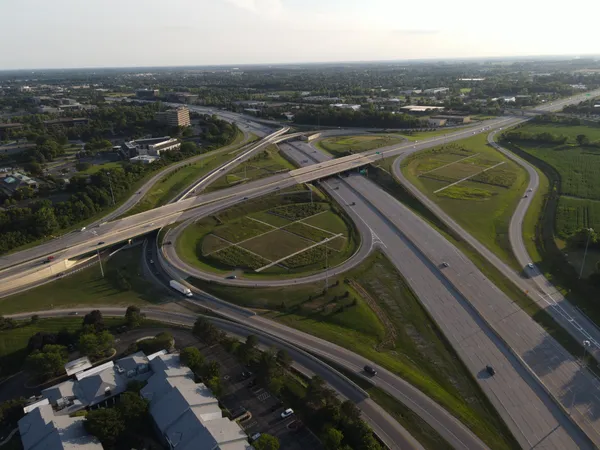
Traffic-camera footage captures hazardous maneuver on Columbus Outerbelt
A traffic-camera video released by the Ohio Department of Transportation (ODOT) shows a driver reversing on Interstate 270 in Columbus after missing an exit, a maneuver transportation officials highlighted as a serious safety risk on high-speed roadways.
ODOT said the footage was recorded on Sunday, Oct. 3, 2021. It was later released publicly on Oct. 5, 2021 as part of a broader warning aimed at discouraging last-second decisions on interstates and limited-access highways.
What the video shows
In the video, a passenger vehicle slows after passing an exit. The driver then pulls to the right side and reverses in the direction of the missed ramp. The reverse movement occurs in a corridor where vehicles behind are traveling at highway speeds, creating the potential for sudden braking, swerving, or a rear-end crash if other drivers do not anticipate a vehicle moving backward.
Transportation agencies routinely warn that interstate shoulders are designed for emergencies rather than travel lanes and that wrong-way or reverse movement can quickly escalate a routine navigation error into a multi-vehicle incident.
Why reversing on an interstate is treated as high-risk
Safety experts generally view reversing on a freeway as dangerous because it introduces an unexpected conflict with the established direction of travel. Even when a vehicle is on the shoulder, drivers in adjacent lanes may drift toward the right edge during lane changes, while disabled vehicles, stopped motorists, and service responders may be present along the shoulder.
In addition, freeway environments reduce the time available for other motorists to detect and react to hazards, particularly when traffic is dense or visibility is limited.
Interstate traffic operates at speeds where reaction time and stopping distance are critical.
Drivers typically do not expect a vehicle to move backward on a controlled-access highway.
Shoulders may contain stopped vehicles and roadside responders, increasing the consequences of a collision.
What drivers are advised to do if they miss an exit
ODOT’s message alongside the video was straightforward: if an exit is missed, drivers should continue to the next exit and reroute rather than stopping, reversing, or attempting a last-second cut across lanes. While that can add time to a trip, it reduces the likelihood of a crash triggered by abrupt or unexpected movements.
The video was released by ODOT as an example of what motorists should not do after missing an exit on an interstate.
The incident adds to a continuing focus by transportation officials on driver decision-making at interchanges and exit ramps, where late lane changes, sudden stops, and other erratic maneuvers are frequent contributors to collisions.