Ohio State Opens New 26-Story University Hospital Tower, Relocating More Than 425 Current Patients
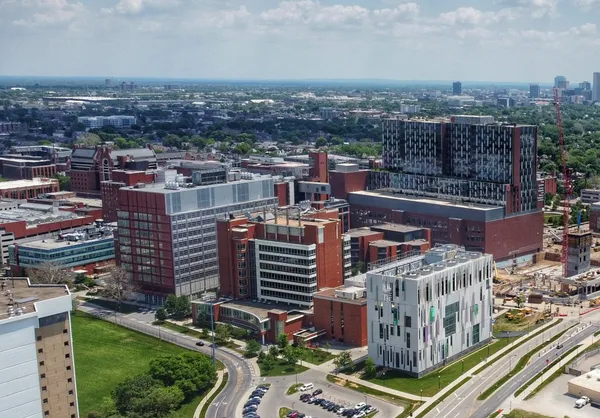
A new flagship inpatient facility begins operations on Ohio State’s medical campus
The Ohio State University Wexner Medical Center opened its new University Hospital tower in Columbus on Sunday, Feb. 22, 2026, beginning operations with a large-scale, same-day transfer of existing inpatients from older facilities on the medical campus. The opening is positioned as one of the largest single hospital facility projects to come online in the United States during 2026.
The new hospital is located at 520 W. 10th Ave. It rises 26 stories, totals about 1.9 million square feet, and was built at a reported cost of about $1.9 billion. The tower includes 820 private patient rooms, including 234 intensive care unit beds, and is designed to consolidate and expand high-acuity inpatient services on the campus.
Patient transfer: a planned, route-based move into private rooms
Medical center leaders said more than 425 patients were scheduled to be relocated into the new building as part of the opening-day transition. The transfer was planned around multiple dedicated routes intended to support continuity of care while moving patients already receiving treatment. The relocation strategy follows months of staff preparation activities aimed at familiarizing clinical teams with the building’s layout, logistics, and workflows.
Clinical capacity and services: ICU expansion and new operating rooms
The tower’s design emphasizes single-occupancy rooms and updated clinical infrastructure. The building includes 24 operating rooms and offers specialty care spanning surgical services, neurology and neurosurgery, critical care, and adult organ transplant services. The shift to an all-private-room configuration is intended to modernize inpatient care environments, including room layouts designed to support patient and family needs.
- 820 private inpatient rooms
- 234 ICU beds
- 24 operating rooms
- 26 stories, about 1.9 million square feet
Design and campus changes: wayfinding, amenities, and maternity floors
The hospital includes 24/7 dining service and large public interior spaces, including a café area and outdoor-access features described by staff involved in readiness planning. Maternity services are concentrated on upper floors, with dedicated areas intended to streamline access for labor and delivery patients. The opening also comes with updated street and building names across parts of the medical campus, requiring changes to navigation and wayfinding for patients and visitors.
Medical center officials described the opening as the start of a broader operational transition, with staff and clinical teams expected to deliver inpatient care in the new facility while continuing outpatient and specialty services across the wider health system.
Workforce and readiness: staffing and operational rehearsals
Ahead of the opening, the medical center conducted large-scale operational rehearsals to test patient transport, unit operations, and staff movement through the building. The tower is expected to support daily work for thousands of providers and support staff assigned to inpatient operations and associated services.
With patients now being admitted and transferred into the new tower, the medical center’s next phase focuses on stabilizing day-to-day operations, ensuring seamless care transitions, and integrating new technology and building systems into clinical routines across services housed in the facility.