PACCAR marks Columbus, Mississippi expansion milestone as remanufacturing and engine investments reshape its local footprint
Ribbon-cutting highlights long-term manufacturing strategy in the Golden Triangle
PACCAR has held a ribbon-cutting ceremony tied to an expansion of its Columbus, Mississippi operations, underscoring the company’s continuing investment in North American powertrain manufacturing. The Columbus site, developed as a major engine-production hub, has been central to PACCAR’s strategy to supply diesel engines for its Kenworth and Peterbilt truck brands while also supporting parts and service networks.
The Columbus engine factory traces back to a major capital project announced in the late 2000s, when PACCAR established large-scale engine manufacturing in Mississippi. Over time, the campus has been associated with repeated additions to production, testing, logistics, and supplier activity in the region.
What the latest expansion includes
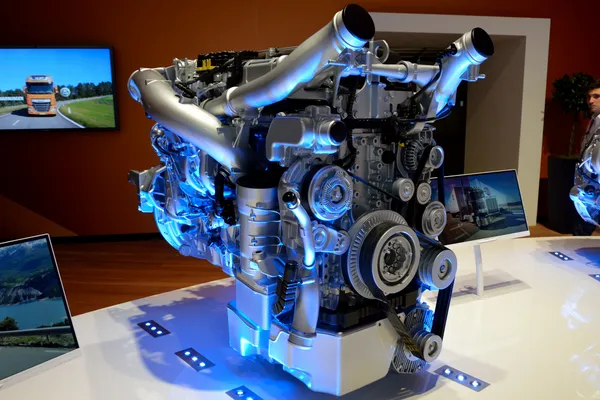
Recent PACCAR disclosures show the Columbus footprint is not limited to new engine output. The company has been building an engine remanufacturing facility in Columbus, described as a 50,000-square-foot, $35 million investment intended to restore PACCAR MX engines to a like-new condition. PACCAR’s public reporting has also described broader investment exceeding $200 million in additional engine manufacturing capacity alongside construction of the remanufacturing facility.
- New capacity aimed at supporting ongoing PACCAR MX engine production in North America.
- A dedicated remanufacturing operation designed to extend engine life cycles through industrial rebuilding processes.
- Facility work that has been communicated as part of multi-year, staged investments rather than a single stand-alone project.
Timeline signals: construction, hiring, and operational ramp
Local reporting around PACCAR’s Columbus-area facility projects has previously described multi-year schedules, including construction milestones targeted for completion by 2025 and job-filling expectations extending into 2026. The ribbon-cutting referenced in the original subject line aligns with the type of milestone often used to mark either completion of a building phase, commissioning of new space, or formal transition from construction to operations.
In major industrial projects, ribbon cuttings frequently coincide with the point a site moves from construction activity into equipment installation, validation, and early production runs.
Why remanufacturing matters in heavy-duty supply chains
For heavy-duty truck makers, remanufacturing is a distinct industrial segment that can reduce lead times for replacement powertrain components and support fleets seeking predictable operating costs. In practice, a remanufacturing facility can complement new-engine production by widening the range of service solutions available through dealer networks and parts distribution channels.
In Columbus, the move toward remanufacturing also signals a broader shift toward lifecycle-based manufacturing, where the same region supports both the building of new engines and the industrial rebuilding of used units. For local workforce development, that can expand demand for specialized skills spanning machining, testing, quality control, and logistics.
Regional significance
As PACCAR continues to invest in Columbus, the city’s manufacturing identity remains tied to heavy-duty powertrains and the supplier ecosystem around the Golden Triangle Regional Airport. The latest expansion milestone reinforces that the Columbus site is positioned not only as an engine factory, but as a longer-horizon platform combining production, testing, and end-of-life engine restoration work.