Snow and ice in Columbus strain sidewalk access, exposing gaps in winter maintenance responsibility
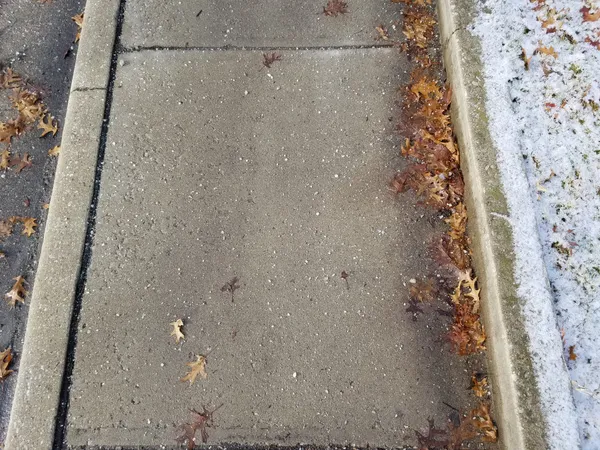
Snowfall highlights uneven pedestrian access across the city
Fresh snow and lingering ice have again raised concerns about basic mobility in Columbus, particularly for residents who rely on wheelchairs, walkers, canes and strollers. When sidewalks, curb ramps and crosswalk landings are left uncleared, routine trips to work, school, medical appointments and transit stops can become impractical or unsafe.
Columbus’ winter operations focus heavily on keeping roads passable, using a tiered approach that prioritizes major routes before moving into lower-traffic residential streets. That approach can restore vehicle travel quickly, but it does not directly solve the day-to-day barrier that snowbanks and packed slush create at pedestrian crossings and curb cuts, where the accessible path often narrows or disappears.
Who is responsible for clearing sidewalks in Columbus
Under Columbus rules, the property owner or occupant adjacent to a sidewalk is generally responsible for maintenance, including snow and ice removal. City guidance also directs residents to the 311 service center to report sidewalk problems, including snow and ice conditions and sidewalks in poor condition. In practice, this structure can produce inconsistent results block to block, because clearance depends on each individual property owner and how quickly they can respond.
- Sidewalks are typically maintained by the adjacent property owner, including snow and ice removal.
- Residents can submit service requests and reports through 311 for sidewalk-related issues.
- Large portions of Columbus lack curbs and/or sidewalks, which can complicate safe winter travel where walking routes are discontinuous.
Accessibility obligations and the role of city government
The City of Columbus maintains an ADA coordination function for accessibility concerns involving city services, programs and activities. Residents who believe an accessibility issue affects city-provided services have avenues to seek assistance or to file complaints through established procedures.
Winter conditions can turn small design features—such as curb ramps, tactile warning surfaces and crosswalk landings—into critical choke points when snow is plowed or piled into pedestrian space.
Why winter barriers persist
Several overlapping factors drive recurring accessibility problems in winter. Snowplows push snow off travel lanes, which can leave banks at corners and curb ramps unless additional clearing occurs. Sidewalk clearing varies by neighborhood, building type and individual capacity. And where sidewalks are missing or interrupted, pedestrians may be forced onto road shoulders—an especially difficult scenario during storms and refreezing.
As Columbus continues to manage winter weather, the accessibility challenge remains less about whether streets receive a plow pass and more about whether a continuous, usable pedestrian network exists after storms—particularly at intersections, transit connections and routes to essential services.