Snowstorm forces widespread cancellations at John Glenn Airport, disrupting Columbus departures and national airline schedules
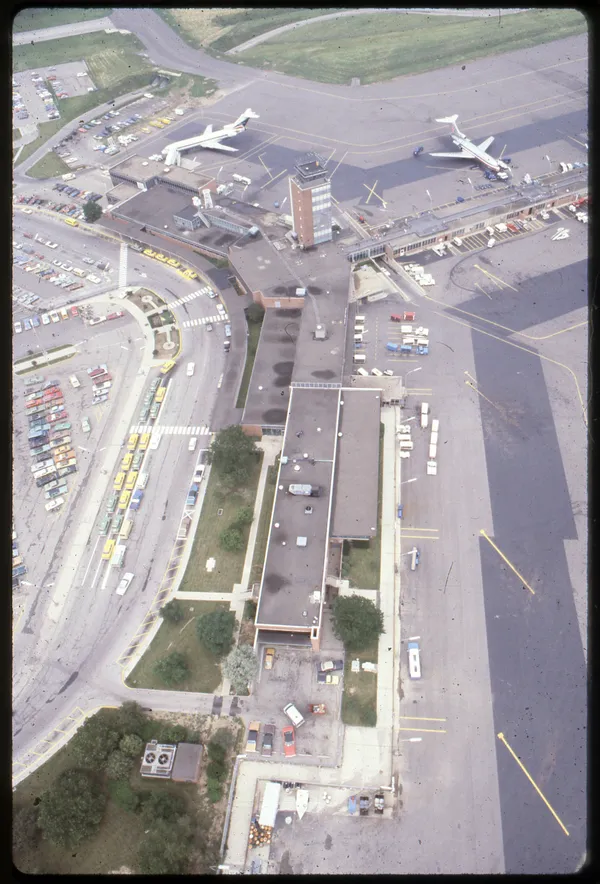
More than half of scheduled flights were canceled amid snow-related disruptions
Snow and winter weather disruptions led to extensive flight cancellations at John Glenn Columbus International Airport, with more than half of the day’s scheduled operations affected at the peak of the event. The local disruption unfolded as a broader winter storm pushed through large parts of the United States, straining airport operations and airline networks across multiple regions.
At John Glenn, the impact was visible in reduced departure options and cascading arrival delays, reflecting a common pattern during major winter events: when aircraft and crews are out of position at major hubs, smaller and mid-sized airports often see cancellations even when local conditions are only part of the problem.
National ripple effects amplified local impacts in Columbus
The winter storm triggered one of the largest nationwide air-travel disruptions since the COVID-19 pandemic era. On Sunday, Jan. 25, 2026, more than 11,000 flights were canceled across the United States, with tens of thousands more delayed. High cancellation rates were reported at several major airports in the Northeast and Mid-Atlantic, where large portions of scheduled departures did not operate. When those hubs reduce capacity, the effects typically spread quickly through connecting itineraries and aircraft rotations tied to airports like Columbus.
Airlines across the industry canceled substantial parts of their schedules. With multiple carriers simultaneously reducing operations, options for re-accommodation can narrow quickly, especially when the disruption spans several regions at once.
What travelers should know: rebooking, refunds, and timing
During mass-cancellation events, passengers often face long queues at customer-service counters and extended call and chat wait times. Rebooking outcomes depend on seat availability over the following days and whether inbound aircraft and crews can return to scheduled rotations.
For canceled flights, passengers are entitled to a refund for the unused portion of the ticket if they choose not to travel, regardless of ticket type.
Rebooking on the same airline is commonly offered at no additional charge, but open seats may be limited during systemwide disruptions.
Being rebooked onto another airline is not guaranteed and can be difficult when multiple carriers are operating reduced schedules.
Large-scale winter disruptions often require several days for airlines to fully recover, as aircraft positioning, crew legality requirements, and de-icing constraints compound across the network.
Operational constraints: snow, de-icing, and airport capacity
Snow events can reduce airport throughput even when runways remain open. De-icing demand can create ground bottlenecks, and airlines may preemptively cancel flights to manage staffing, aircraft availability, and downstream congestion. In Columbus, the scale of cancellations underscored both local winter operating challenges and the degree to which John Glenn’s schedule is connected to weather-sensitive hubs elsewhere in the country.
Airlines and airports typically advise travelers to check flight status before leaving for the airport and to allow added time for road travel, parking, and terminal processing during winter-weather operations.