Two new historic markers in Columbus, Mississippi spotlight Henry Baker Jr. and Union Academy’s origins
Student research becomes permanent public history
Columbus, Mississippi has installed two historic markers recognizing African American achievement in education and public service, following research conducted by students at the Mississippi School for Mathematics and Science (MSMS). The markers were dedicated on Friday, Feb. 20, 2026, during public ceremonies attended by students, educators and local and state leaders.
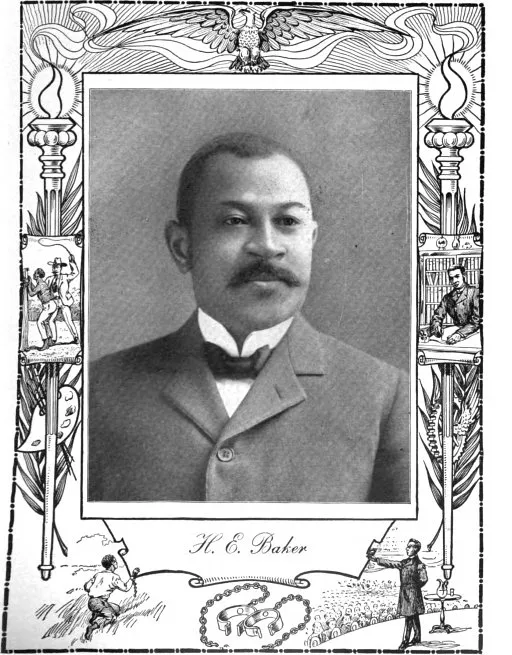
The installations focus on two subjects tied to Columbus’ post-Civil War history: Henry Edwin Baker Jr., a Columbus native who later documented the contributions of Black inventors while working in the U.S. Patent Office, and the original site of Union Academy, a school established during Reconstruction that served generations of African American students.
Henry Edwin Baker Jr.: from Columbus to national public service
One marker honors Henry Edwin Baker Jr. (1857–1928), who was born in Columbus and later became one of the earliest African Americans admitted to the U.S. Naval Academy. Historical records show he faced racial hazing while at Annapolis and did not complete his studies there.
Baker continued his education in Washington, D.C., and graduated from Howard University School of Law. He then built a long federal career at the U.S. Patent Office, where he advanced into examiner ranks and became known for compiling and preserving information on African American inventors. Among his works was The Colored Inventor: A Record of Fifty Years, an early 20th-century effort to document patented innovation by Black Americans in the decades following emancipation.
The Baker marker was placed at the intersection of Main Street and 9th Street South, making his biography part of Columbus’ streetscape and creating a fixed location for educators and residents to reference in future local history programming.
Union Academy’s original site and Reconstruction-era schooling
A second marker was installed roughly nine blocks south on 9th Avenue South, at the original site of Union Academy. The school traces back to 1865, when a Freedmen’s Bureau-supported effort began providing education for formerly enslaved people and their children in Columbus. Over time, the school’s organization and governance changed as Reconstruction ended and Mississippi’s segregated public education system took shape.
Local historical accounts and archived school records indicate Union Academy became a central institution for Black education in Columbus for decades, before later expansions and reorganizations across grade levels in the 20th century. The school moved to a northside location in 1903, a shift long remembered in the city’s educational history.
What the markers document
- Two named subjects: Henry Edwin Baker Jr. and Union Academy’s founding site
- A student-driven research process led by MSMS participants
- Specific public locations that tie historical narrative to the contemporary city map
The new markers identify fixed sites where residents and visitors can connect local geography to the history of Black education and federal public service tied to Columbus.
City officials and organizers said both markers are intended to strengthen public understanding of local African American history by anchoring it in places that remain accessible year-round.