What travelers can expect for TSA security line wait times at John Glenn Columbus International Airport
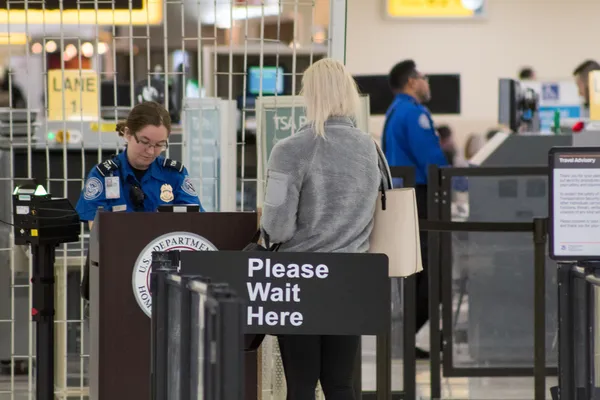
A moving target: why TSA line length at CMH changes hour by hour
TSA screening lines at John Glenn Columbus International Airport (CMH) fluctuate sharply depending on when passengers arrive, how many early departures are scheduled, staffing levels, and whether travelers are using standard screening or expedited lanes. Publicly available airport-facing wait-time displays and third-party trackers generally point to CMH as an airport where typical waits are often measured in minutes rather than hours, but they also show that spikes can occur—most commonly in the early-morning push when several flights depart close together.
Typical patterns: shorter mid-day, heavier before dawn and early morning
Across U.S. airports, the most consistent driver of long security lines is concentrated demand. At CMH, that demand often clusters around the first wave of departures, when passengers may also arrive in a narrow window as the checkpoint opens. Travelers should also account for the fact that wait-time estimates, when posted, can lag behind sudden surges caused by group arrivals, irregular operations, or a short-term lane closure.
Early morning (around checkpoint opening through the first departure bank) is most likely to produce the longest lines.
Mid-day and later evening periods are more likely to have shorter lines, though holidays and event-driven travel can change that.
Wait experiences can differ for standard screening versus TSA PreCheck, particularly when lane configurations or staffing shift during the day.
What the airport advises: arrival timing and how to use wait-time estimates
CMH publishes estimated wait times for the day and also provides general arrival guidance. For domestic flights, the airport’s stated recommendation is to arrive at least 90 minutes before departure; for international flights, two hours before departure. These targets are designed to cover more than the checkpoint itself, including airline check-in, baggage drop, and walking time to the gate.
Wait-time estimates are snapshots, not guarantees; a short posted wait can change quickly when a departure bank peaks.
What travelers can do to reduce risk of missing a flight
Even when average waits are modest, travelers can improve predictability by planning around known bottlenecks. Expedited screening programs may reduce time in line for eligible travelers, but they do not eliminate the need to arrive with a buffer—especially for early flights or periods of heavy demand.
Build extra time for early departures, when demand is concentrated and lines can look long immediately after opening.
Check the day’s estimated wait time before leaving for the airport, then reassess on arrival if conditions appear different from the estimate.
Allow additional buffer if checking a bag, traveling with children, or needing assistance, since those factors can add time before screening.
Bottom line: CMH often operates with manageable TSA waits, but the airport’s own guidance—90 minutes for domestic trips and two hours for international—remains the most reliable planning benchmark when conditions shift.